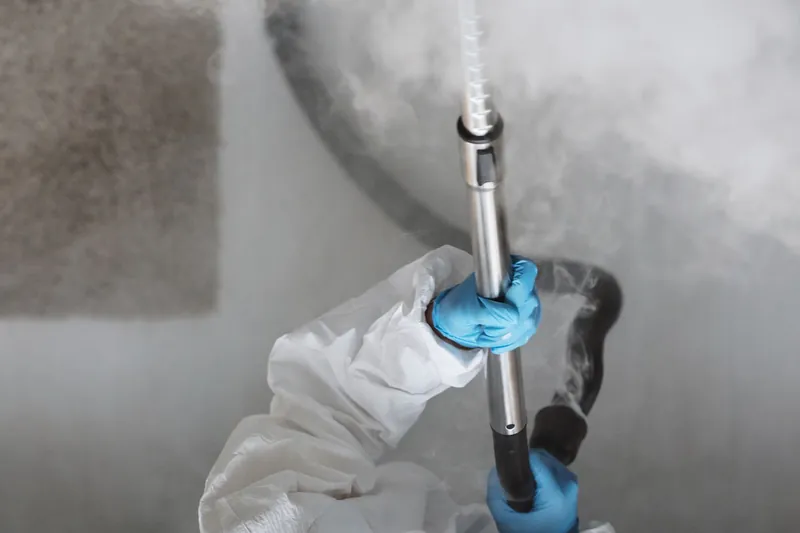
Infectious Disease Disinfection
EPA-registered products are applied across all surfaces during infectious disease disinfection.
See infectious disease disinfectionGet high-touch surfaces cleaned and disinfected in a home, office, rental or shared space in Riverton Heights after illness or possible exposure. EPA-registered products are used according to their labels.
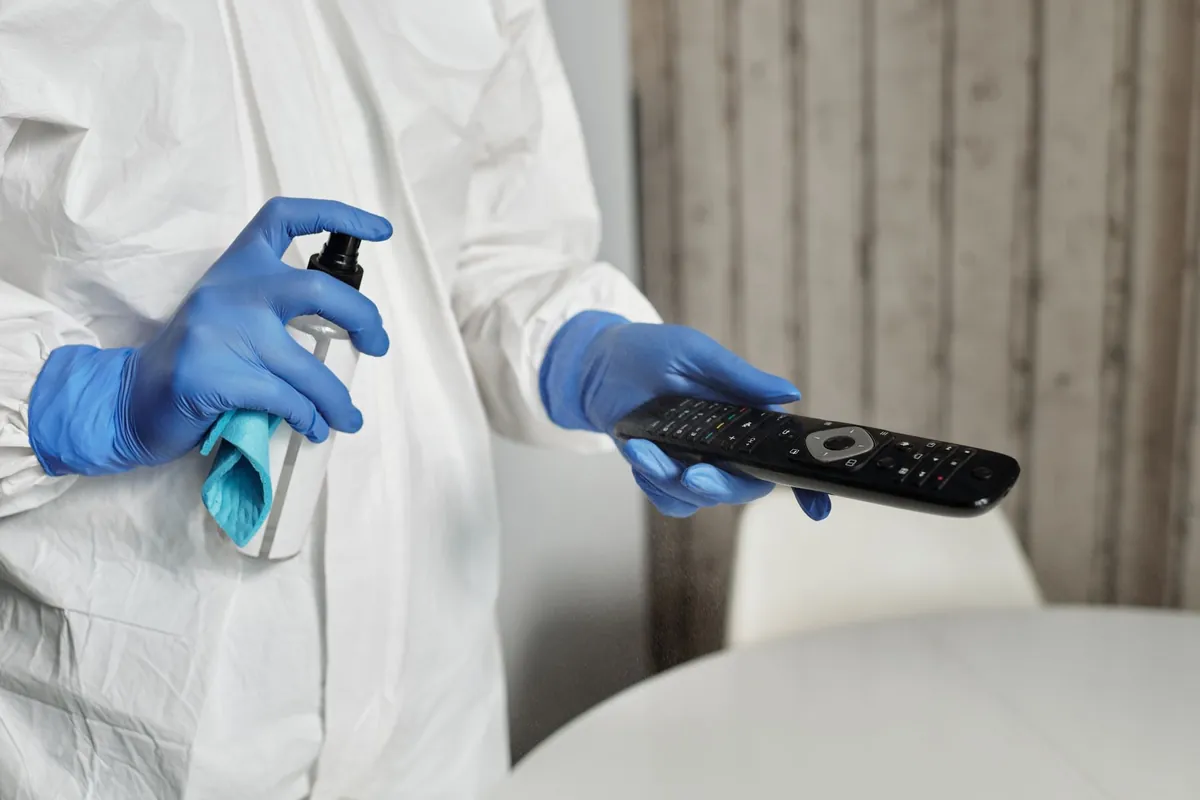
COVID-19 and virus disinfection is a focused cleaning service for frequently touched surfaces and affected areas after illness or suspected exposure. It combines soil removal with an EPA-registered disinfectant used for the full contact time on its label.
Homes, schools, offices, restaurants, rentals, care settings and similar shared properties can be included. Technicians locate frequent touch points, including counters, desks, light switches, door knobs, restroom fixtures and communal equipment. Surfaces close to those points are considered as well when people could touch them while walking through the building.
You may hear this service described as biohazard remediation, COVID-19 decontamination, infectious disease cleanup, coronavirus cleaning or biohazard decontamination. It differs from routine janitorial work because cleanup crews follow product directions, wear protective equipment and work from a written scope that allows each task to be checked. Remediation is not a substitute for handwashing, building ventilation, fresh air or staying home if you are sick.
You can check which rooms, surfaces and special materials are included before the cleaning service starts. A clearly defined scope lets you compare the described work.
For privacy that matters to you and your loved ones, unmarked vehicles are available, and technicians use protective gear while caring for personal property.
For homes, shared properties, rentals, offices and restaurants, the scope can reflect the setting instead of using one approach for every situation.
The disinfectant name and label contact time are recorded so you know what was used on the property and can move forward with reopening plans.
COVID-19 disinfection is most useful when you need a documented, room-by-room cleaning process after illness, an exposure concern or repeated use by many people. Common situations include:
Service counters, dining spaces, suitable back-of-house materials and restrooms can be covered without improper treatment of food or food-contact items.
After illness is reported or before another approved use, property owners may schedule cleaning for hotels, apartments or short-term rentals.
Before regular use begins again, treatment can cover shared devices, desks, restrooms, break areas and meeting rooms.
Frequently touched surfaces in bedrooms, bathrooms, kitchens and shared living areas need careful cleaning after someone has been sick.
Start by limiting access and gathering clear information about the rooms involved. Before cleanup technicians enter the property:
Call (888) 440-9227No distinct COVID-19 price appears in published guides. Guides for comparable infectious disease disinfection show a range of $1,000 to $10,000. Your actual scope is shaped by room and surface counts, the size of the space, the germ type, any requested air-system work and whether you request testing.
The figures shown are national ranges from published cost guides and are not based on an on-site visit. After an on-site assessment, the price for your property is determined and shared with you before cleanup begins.
Ask about cost: (888) 440-9227Coverage is determined by your policy and the reason the service is needed. Never presume that business, homeowners or renters insurance pays for preventive cleaning for coronavirus. If time permits, ask your insurance company before cleaning begins.
The responsible party may depend on lease terms, local requirements and where the affected area falls within the rental or shared property.
A business owner should not depend on coverage before asking the insurance company about exclusions, required documents, deductibles and communicable disease language.
An insurance company may consider routine disinfection maintenance instead of a loss covered by the policy. Ask if your policy treats another event differently from a documented illness.
Store the product information, work scope, invoice and photographs. Keeping these records supports insurance assistance by showing insurance companies what cleanup you requested and what was completed.
A controlled sequence guides coronavirus biohazard decontamination. Assessment comes first, followed by cleaning, disinfection and a concluding check. Each product label directs the complete process, including the method used on individual surfaces.
Technicians talk with you about occupancy history, rooms, high-touch areas and sensitive belongings prior to starting work.
The work area is marked or closed as needed, and technicians select gloves, eye protection and other protective equipment for the products and setting.
Cleaning begins with removal of dust and visible soil, which could otherwise block disinfectant from contacting a surface evenly.
Label directions determine the coverage and concentration when compatible surfaces are treated with an EPA-registered disinfectant.
The treated surface remains wet for the label contact time rather than being sprayed and immediately wiped dry.
Methods appropriate to each item are used for soft materials, unfinished wood and shared electronics rather than saturating them with an all-purpose spray.
The checklist is checked room by room, with special attention to door pulls, switches, fixtures and shared equipment.
You get the finished scope, details about the products and guidance covering ventilation, drying and when you may use the treated space.
Call any hour. Your COVID-19 and virus disinfection specialist answers the phone, describes what happens next and works with you on a start time.
The chief disinfection risks are exposure to illness, misuse of chemicals and surfaces that do not receive complete coverage. A thoughtful plan can reduce needless contact and serious health risks. It cannot claim that every path of transmission is removed through surface cleaning.
More chemical is not always safer. An incorrect product, combined cleaners or insufficient airflow may cause irritation and damage electronics, finished surfaces, wood or fabric.
The label states how long a disinfectant needs to stay visibly wet. The product might not work as intended if you wipe it dry prematurely.
A recently used room may place cleaning workers near contaminated items or an ill occupant. During the job, protective gear and access restrictions help prevent contact that is not necessary.
Can you clean it yourself? Routine cleaning may be enough when no one is currently ill and the property has no special exposure concern. For a known illness, a large shared space, sensitive surfaces or a workplace that needs a clear scope, professional cleanup can help you follow product labels and cover the important touch points.
Focused work in a home can take several hours. For a commercial space with many rooms or an office of substantial size, the visit may be longer or phased. The schedule reflects furniture amounts, how many rooms are included, whether surfaces are compatible and required product contact times.
| Scene | Typical time on site |
|---|---|
| Focused home area | Usually completed within one planned appointment |
| More than one room or a modest worksite | May require a half day or longer |
| Large or occupied commercial property | Access needs often shape a staged plan |
COVID-19 and other viruses do not create a room odor that proves whether a space is clean. Fragrance, deodorizer and fog alone are not substitutes for cleaning soil, covering high-touch surfaces and observing disinfectant contact time.
Air quality and odor removal need a separate plan from surface disinfection. Ventilation can help clear product fumes after treatment, and building staff can check outdoor air and filtration settings for the space. If there is a sewage backup, water damage, mold or another odor source, that condition may need separate cleanup or restoration services rather than extra disinfectant.
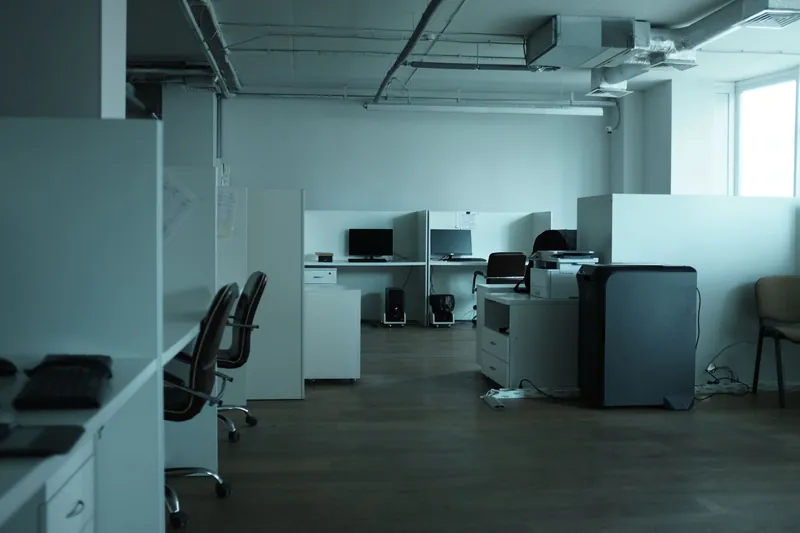
Use a surface-compatible, EPA-registered disinfectant for the target virus and obey its label on application, full contact time and dilution.
Product labeling sets the disinfectant's permitted uses, required airflow and necessary protective equipment.
If blood or other potentially infectious materials are also present, federal OSHA Bloodborne Pathogens Standard 29 CFR 1910.1030 sets worker protection and handling requirements.
Wisconsin calls it infectious waste, and items saturated with human blood or body fluids are treated as infectious. The Department of Natural Resources rules control storage, transport and treatment, so it cannot go in household trash.
The full COVID-19 and virus disinfection guide covers what is cleaned or removed, odor and air quality work, and the rules that apply in Milwaukee County.
Read the full COVID-19 and virus disinfection guide
Local housing, population and access details can shape containment, access and cleanup planning.
Riverton Heights is listed about 4.2 miles from Ascension Wisconsin Hosp Menomonee Falls Campus, a relevant distance when prompt evaluation follows a biohazard exposure.
The surrounding area includes River Ridge, Riverview, and Pheasant Run, so cleanup travel may cross several local streets or municipal boundaries.
Because this is a neighborhood within Milwaukee, cleanup access may depend on local parking, common entrances, or building management rules.
Your phone conversation can include questions about service in nearby ZIP codes and communities.
EPA-registered products are applied across all surfaces during infectious disease disinfection.
See infectious disease disinfection
Homes, care environments and gyms receive cleanup for MRSA, C. diff and norovirus.
See mrsa, c. diff and norovirus cleanup
Planning for industrial and commercial biohazard cleanup considers operations and access to the site.
See commercial and industrial biohazard cleanup
Biohazard cleanup addresses care homes, medical clinics and healthcare settings.
See hospital and healthcare biohazard cleanup
Office and workplace biohazard cleanup after injuries or exposures.
See office and workplace biohazard cleanup
Biohazard cleanup for daycares and schools takes place outside classroom hours.
See school and daycare biohazard cleanup
Biohazard cleanup for hotels, Airbnb units and rental properties.
See hotel, airbnb and rental biohazard cleanup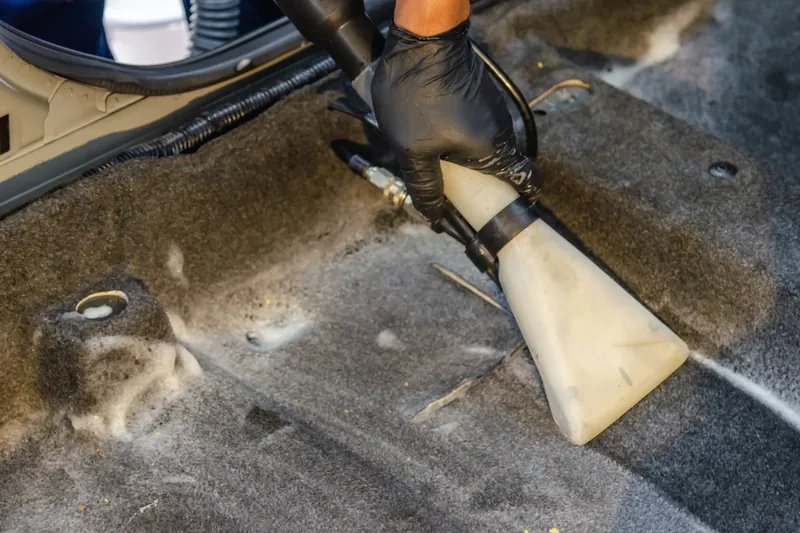
Carpet and upholstered items receive biohazard cleaning or are removed safely if necessary.
See biohazard carpet and upholstery cleaningBecause the cause of COVID-19 is a biological agent, exposure precautions are called for when working around a known illness. Setting and the presence of regulated waste, bodily fluids or blood determine the precise cleanup category. Routine surface disinfection is not the same task as blood cleanup or hazardous waste removal.
First identify whether the wood is sealed, and consult both product labeling and care directions for the furniture. Spot-test first, then use a compatible product on the sealed wood. Because soaking may cause stains, swelling or finish damage, keep unfinished and delicate wood from becoming saturated. If labeling excludes the surface, use another approach compatible with that material.
A virus may be a biological hazard due to its ability to cause disease. Risk levels vary with the virus, exposure route, environment and work being done. A disinfection plan should match the actual hazard. Protective equipment, access control, cleaning and an appropriate disinfectant all have roles, but no single step replaces the others.
Clean visible soil first, then apply an EPA-registered disinfectant that is suitable for the surface and target virus. Completely cover the material, maintaining wetness for the labeled contact time. Use all protective equipment specified by the label, follow its ventilation directions and never combine cleaning chemicals.
You can use alcohol-based hand sanitizer to reduce germs on your hands when washing with soap and water is unavailable. Rub all areas of your hands until dry using a sanitizer that has at least 60 percent alcohol. Hand sanitizer is for hands, not for disinfecting rooms, furniture or electronics. Wash with soap and water when hands are visibly dirty.
Start with rooms and touch points used by the ill person. Restrict access by other people, remove visible soil and follow product labeling to disinfect compatible hard surfaces. Launder compatible fabrics using their care directions. A professional visit can help with large shared spaces, sensitive materials or a room-by-room scope that needs records.
Discreet, respectful COVID-19 and virus disinfection, 24 hours a day, with crews in unmarked vehicles.